

How to Sow Lawn Seed - INSTRUCTIONS

Growing grass from seed is an affordable way to plant a new lawn or fill in a thin one. The better you prepare, the better your lawn will be. This guide shows you how to plant grass seed step by step, from preparing the soil to the first mow. Get the soil ready and keep the seed damp, and you’ll see the first green shoots within one to three weeks.
What you’ll need
Lawn seed, KickStart Starter Fertiliser, an Earthway Spreader (or you can sow by hand), a rake, and a hose with a fine spray nozzle or a sprinkler.
When is the best time to sow grass seed?
Ideally, sow in spring or autumn, when temperatures are more moderate. But you can sow lawn seed at any time of the year, even in winter.
Spring and Autumn: These are the best times to sow. Moderate temperatures help seed germinate well and give your new lawn time to establish before the heat of summer or the cold of winter.
Summer: Seed germinates quickly in warm weather, but your seedbed dries out faster. Be prepared to water more often to keep it constantly damp.
Winter: In southern states, always choose a cool-season variety like Ryegrass or Fescue for winter sowing. Germination is slower in cooler weather, so be patient and keep the seedbed damp.
In warmer climates like Queensland, northern NSW and the NT, winters are mild and most seed types can be sown year-round. Avoid sowing just before heavy wet-season rain, which can wash seed away.
Not sure which seed suits you? See our guide to finding the best lawn seed by location.
How to plant grass seed: step by step
Step 1: Prepare your soil
The better prepared your seedbed, the better your lawn will be.
Remove rocks, stones and other debris. A total knockdown herbicide will help clear unwanted grasses and weeds. Check the label for how long to wait before sowing. Make sure the area drains well; deep digging or aerating with a fork will help. If your soil is poor quality, mix in a lawn soil from your local soil supplier.
Finally, rake the area level, taking care not to remove too much topsoil from any one spot. Seed that sits in hollows or on bumps will grow unevenly.
Step 2: Fertilise before sowing
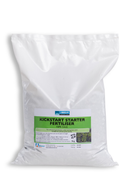
Apply KickStart Starter Fertiliser at 3kg per 100m², either on the day you sow or a day or two before, and water it in well. KickStart is balanced to help seed germinate and grow strong roots.
Step 3: Spread the seed evenly
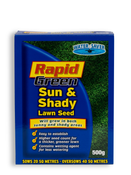
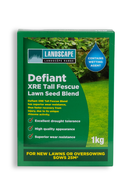
Use the sowing rate recommended on the seed pack. For an even spread, divide your lawn into manageable sections and divide your seed into the same number of lots. Then sow one lot per section, spreading half of it up and down and the other half across. This helps you avoid bare strips.
A spreader is the quickest way to get an even spread, especially on larger areas. For small areas and patches, sowing by hand works well (see below).
Step 4: Lightly cover the seed
Rake gently so the seed is just covered. Seed that is buried too deep may not come up.
Step 5: Water, and don’t let your seed dry out!
During germination, which takes anywhere from 7 to 21 days, keep your seedbed constantly damp. Use a fine spray, because anything stronger will wash the seed away. In dry, hot or windy weather, you may need to water more often.
Once your new grass is established, gradually water less often but more deeply. This encourages the roots to grow down further, making your lawn tougher.
Step 6: The first mow
Mow for the first time when your lawn is around 4 to 5cm high. Trim lightly, then over the following mows gradually lower the blades to an ideal height of around 25mm. Mow regularly, and never remove more than a third of the leaf at a time. Sharp blades matter, because blunt blades can pull young seedlings out of the ground.
Step 7: Fertilise again at 6 to 8 weeks
At around 6 to 8 weeks, once you’re mowing regularly, switch to a maintenance fertiliser such as All Seasons, Super Green or Nitro Green Iron Boost. Apply at the correct rate and water it in well. From then on, follow a regular feeding program. See How to Fertilise.
How to sow lawn seed by hand
Sowing by hand is ideal for small lawns and for patching bare spots.
- Weigh out the right amount of seed for your area, using the rate on the pack or product page.
- Divide the seed in half.
- Walk up and down the area, scattering the first half with a wide, sweeping motion close to the ground.
- Walk across the area, scattering the second half the same way.
- Rake lightly to cover the seed, then water with a fine spray.
Sowing seed into an existing lawn
To thicken a thin lawn or repair patches, see our guide on how to overseed your lawn.

Frequently Asked Questions
What is the best way to sow grass seed?
Prepare the soil well, apply a starter fertiliser, spread the seed evenly in two directions, rake it in lightly, and keep it constantly damp until it germinates. A spreader gives the most even result; sowing by hand is fine for small areas.
How long does grass seed take to grow?
Grass seed usually germinates in 7 to 21 days, depending on the seed type and the weather. Germination is slower in cooler months. Your lawn will usually be ready for its first mow after 4 to 6 weeks.
How much grass seed do I need?
Check the sowing rate on your seed pack and multiply it by your lawn area (length × width). Sow a little more to patch bare spots.
Can I just throw grass seed on the ground?
Seed scattered onto hard, unprepared soil rarely does well. It dries out, washes away or gets eaten by birds. For the best results, loosen the soil, rake the seed in lightly, and keep it damp.
Why hasn’t my seed come up?
The most common causes are the soil drying out, seed buried too deep, or slower germination in cooler weather, so give it a little longer. Keep the surface damp, only lightly cover the seed, and choose a seed type that suits the season.
Why does my new lawn look patchy or uneven?
This is completely normal. A newly sown lawn doesn't come up like a carpet. Warm and cool spots, damper patches and seed washed into low areas mean some parts germinate faster than others. Keep the area damp and be patient, as the slower areas usually catch up within a few weeks. Re-sow any spots that are still bare after about four weeks.
Birds are eating my seed. What can I do?
Raking the seed in lightly hides it from birds and helps it germinate. On small areas, you can also lay shade cloth or bird netting over the top until the seed comes up.
Can I use weed killer on a new lawn?
Not straight away, as most weed killers can damage young grass. Wait until your new lawn has been mowed several times, and always check the product label first.
When can I walk on my new lawn?
Keep off as much as possible for the first six to eight weeks while the roots establish. Light use is fine once you’ve mowed a few times.